 blog
Best Natural Anti Aging Serum 2026: Top Picks & Guide
Table of Contents
- What to Look for in the Best Natural Anti Aging Serum 2026
- Top Natural Anti Aging Serums for 2026: Quick Comparison
- Why Organic Anti-Aging Serum Matters for Your Skin
- Anti-Aging Serum for Sensitive Skin: What to Avoid
- How to Use Anti-Aging Serum for Best Results
- What You'll Need
- Step 1: Cleanse and let skin dry [Time: 1 minute]
- Step 2: Apply a pea-sized amount [Time: 30 seconds]
- Step 3: Layer moisturizer over the top [Time: 30 seconds]
- Step 4: Protect in the morning [Time: 30 seconds]
- Vitamin C Serum for Aging Skin: Benefits and Cautions
- Conclusion
- Frequently Asked Questions
Last Updated: October 13, 2026
What to Look for in the Best Natural Anti Aging Serum 2026
Finding the best natural anti aging serum in 2026 starts with reading the label like a skeptic, not a shopper.
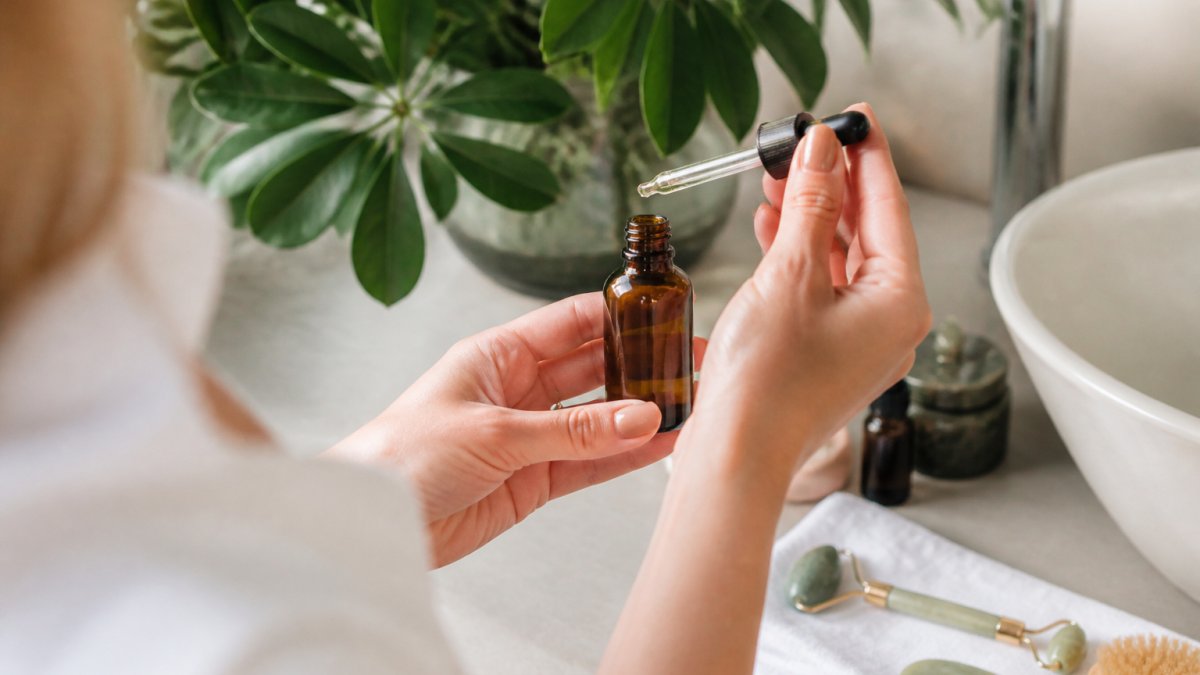
Key ingredients that actually work, and how they work
A short list of ingredients carries most of the anti-aging load in natural skincare. What separates a serious formula from a marketing one is whether the brand explains the mechanism, not just the name:
- Retinol alternatives such as bakuchiol. Bakuchiol is a plant-derived compound (often extracted from the seeds of Psoralea corylifolia) that has been studied for retinol-like effects on fine lines and texture, with generally better tolerability in people who cannot use retinol. It is not a one-to-one swap, the evidence base is smaller and the effect is typically gentler, but for sensitive or retinol-averse skin it is a reasonable first line.
- Vitamin C and other antioxidants. L-ascorbic acid is the most studied form, but it is also the least stable. Derivatives such as sodium ascorbyl phosphate and tetrahexyldecyl ascorbate trade some potency for stability and gentleness. Antioxidants defend against daily environmental stress (UV, pollution, ozone) rather than reversing existing damage.
- Peptides. Short chains of amino acids that signal the skin to support its own collagen and elastin. Copper peptides and matrixyl-type peptides are the most commonly cited; effects are cumulative and modest, not dramatic.
Concentration and formulation: what the label won't tell you
Concentration matters as much as the ingredient name. A serum that lists vitamin C near the bottom of the label likely contains very little of it. Look for actives listed early, and look for a stated percentage where the brand provides one. Two practical rules:
- A stated percentage is a good sign; a stated percentage with a form name is a better one. "10% sodium ascorbyl phosphate" tells you more than "vitamin C."
- Packaging is part of the formula. Vitamin C and many botanical antioxidants degrade with light and air. An opaque bottle with a pump or dropper protects the formula better than a clear jar or a wide-mouth open container.
How to verify a "natural" claim
"Natural" is not a regulated term in most markets, so verification is on you. It is also not the same as "organic" (which in the US refers to USDA-certified agricultural ingredients) or "clean" (a marketing term with no legal definition). Check four things:
- The full ingredient list, published on the brand's site, not just the front of the bottle.
- Whether the formula is fragrance-free. "Natural fragrance" and essential-oil blends are still fragrance and are a common trigger for sensitive skin.
- Whether the brand publishes third-party testing for stability, preservative efficacy, or skin tolerance.
- Whether certifications are named and verifiable. "Cruelty-free" and "non-comedogenic" should be backed by a specific certifying body or test, not just a logo.
Nutra-Lift's products are third-party verified by the FDA, cruelty-free, and non-comedogenic, which means they are formulated not to clog pores. That combination is a reasonable benchmark for judging any natural claim.
USDA organic certification standards
Top Natural Anti Aging Serums for 2026: Quick Comparison
The best natural anti aging serum in 2026 depends on your skin concern and how much tolerance your skin has for active ingredients. Rather than rank products by hype, compare them by what they actually do.
| Skin Concern | Ingredient to Look For | What It Does | Best For |
|---|---|---|---|
| Fine lines and wrinkles | Bakuchiol, peptides | Supports firmness and smooths texture | Sensitive skin, retinol-averse users |
| Uneven skin tone | Vitamin C, niacinamide | Helps fade dark spots and discoloration | Dull or sun-damaged skin |
| Dryness and tightness | Hyaluronic acid, plant oils | Restores hydration and barrier support | Mature or dehydrated skin |
| Early aging prevention | Antioxidants | Defends against daily environmental stress | All skin types, 30+ |
A common mistake is buying three serums for three concerns and layering all of them at once. In practice, one well-formulated serum that targets your primary concern beats a shelf full of half-used bottles.
Why Organic Anti-Aging Serum Matters for Your Skin
An organic anti-aging serum matters because what you put on your skin is absorbed, and because the ingredients that support aging skin tend to work best when they support the moisture barrier rather than strip it.
Botanical extracts and plant oils serve two jobs at once: they carry active compounds, and they help the skin retain water. For mature skin, that combination is often more valuable than a single high-dose active.
Anti-Aging Serum for Sensitive Skin: What to Avoid
An anti-aging serum for sensitive skin should avoid fragrance, alcohol-heavy formulas, and high concentrations of strong exfoliating acids. These are the three most common culprits behind the irritation people blame on "natural" skincare. But the deeper issue is that "natural" and "gentle" are not synonyms, some of the most irritating ingredients in skincare are botanical.
The specific triggers to screen for
- Added fragrance, including "natural fragrance." Fragrance is the single most common cause of contact irritation in cosmetics. "Natural fragrance," "parfum," and "aroma" are all fragrance. If your skin is reactive, choose fragrance-free, not unscented (which can still contain masking fragrance).
- Essential oils. Lavender, citrus (bergamot, lemon, grapefruit), peppermint, eucalyptus, and tea tree are common in natural serums and are also common sensitizers. Citrus oils are phototoxic, they can increase sun sensitivity.
- Alcohol denat and high-alcohol toners. They can strip the barrier and make everything applied afterward sting.
A practical patch-test and introduction protocol
Sensitive skin rarely reacts to the active ingredient itself. It reacts to fragrance, preservatives, or too much of a good thing applied too quickly. A structured introduction removes the guesswork:
- Patch test on the inner forearm for two nights in a row. Apply a small amount, cover with a bandage if you tend to rub, and check for redness, itching, or bumps.
- If clear, patch test behind the ear for two more nights. This area is closer in sensitivity to the face than the forearm.
- Introduce one new product at a time, every other night for the first two weeks. Do not start a new serum and a new moisturizer in the same week, if you react, you won't know which one caused it.
- Apply to a small area first (jawline or one cheek) before going full-face.
- Stop and simplify if you react. Redness, stinging, itching, or new bumps that persist more than a few days mean stop the new product, return to your known-good routine, and let the barrier settle before trying again.
Matching the formula to your skin type
- Reactive or rosacea-prone: fragrance-free, essential-oil-free, low-active formulas. Niacinamide and bakuchiol are usually better tolerated than vitamin C or retinol.
- Acne-prone: non-comedogenic, oil-light formulas. Avoid heavy plant butters and coconut-derived oils on the face.
- Mature and dry: barrier-supportive formulas with hyaluronic acid, squalane, and peptides. You can usually tolerate a slightly higher active load than reactive skin.
If you are coming from a drugstore routine that has worked for years, the switch does not have to be all-or-nothing. Replace one product at a time so you can tell what is helping and what is not.
How to Use Anti-Aging Serum for Best Results
Knowing how to use anti-aging serum correctly matters as much as choosing it. Most people apply too much, apply it at the wrong step, or expect results in a week. Realistic timelines are measured in months, not days.
Total Time: 2 minutes per application Difficulty: Beginner
What You'll Need
- A gentle cleanser
- Your chosen serum
- A moisturizer
- Sunscreen for morning use
Step 1: Cleanse and let skin dry [Time: 1 minute]
Apply serum to clean, slightly damp skin. Damp skin absorbs humectants like hyaluronic acid more effectively.
Expected Result: Skin feels clean but not tight.
Step 2: Apply a pea-sized amount [Time: 30 seconds]
Warm two to three drops between your fingertips and press into the face and neck. More product does not mean faster results.
Expected Result: Even, light coverage without a greasy film.
Step 3: Layer moisturizer over the top [Time: 30 seconds]
Seal the serum in with moisturizer to support the moisture barrier overnight.
Expected Result: Skin feels comfortable, not tacky.
Step 4: Protect in the morning [Time: 30 seconds]
If you use vitamin C or any active in the morning, follow with sunscreen. Sun protection is the single most effective anti-aging step in any routine.
Expected Result: Actives work with your sunscreen instead of against it.
Give any new routine eight to twelve weeks before judging it. Fine lines and skin texture change slowly, and the improvements are cumulative.
Vitamin C Serum for Aging Skin: Benefits and Cautions
A vitamin C serum for aging skin is one of the most evidence-backed choices you can make, provided the formula is stable and the concentration is sensible.
The cautions are practical. Vitamin C degrades when exposed to light and air, so packaging matters.
For anyone layering vitamin C with other actives, alternate rather than stack. Vitamin C in the morning and a gentler renewal serum at night is a routine most skin types can sustain.
Conclusion
Choosing the best natural anti aging serum in 2026 comes down to reading labels honestly, matching actives to your actual skin concern, and giving a routine enough time to work.
At Nutra-Lift, we formulate over 80 spa-quality natural skincare products with the highest percentage and potency of natural and organic ingredients we can responsibly use, all cruelty-free and non-comedogenic, and third-party verified by the FDA.
Get started with Nutra-Lift and build a routine that supports your skin from head to toe.
Frequently Asked Questions
What is the best natural serum for anti-aging?
The best natural anti aging serum depends on your skin concern. For fine lines, look for bakuchiol or peptides. For uneven tone, vitamin C is key. For dryness, hyaluronic acid. A good natural serum avoids synthetic fragrance and uses plant-derived actives at effective concentrations. Check for third-party testing and a short, transparent ingredient list. Patch test first, especially if you have sensitive skin. Results take 8-12 weeks of consistent use.
How often should you use an anti-aging serum?
Most natural anti-aging serums are gentle enough for daily use, once or twice a day. Start with once daily for the first week to check tolerance. If your skin feels comfortable, add a second application. For vitamin C serums, morning use with sunscreen is ideal. For retinol alternatives like bakuchiol, evening works well. Always follow the product's directions and adjust based on how your skin responds.
Can natural anti-aging serums work for sensitive skin?
Yes, many can, but you need to choose carefully. Look for fragrance-free formulas, avoid essential oils, and patch test on your inner arm for 24 hours. Ingredients like niacinamide, hyaluronic acid, and bakuchiol are generally well-tolerated. Introduce one new product at a time and wait two weeks before adding another. If you have rosacea or eczema, consult a dermatologist before trying new actives.
Can you use a natural anti-aging serum with retinol or vitamin C?
You can, but timing matters. Use vitamin C in the morning and retinol at night. If your natural serum contains vitamin C, you may not need a separate one. For retinol, apply it after your serum has fully absorbed, or alternate nights to avoid irritation. Bakuchiol is a gentler alternative that pairs well with most ingredients. Always introduce one active at a time and monitor your skin's reaction.